

How U.S. DTC Brands Can Stay Profitable Under the New Trump & US Tariffs
What the New U.S. Tariffs Mean for DTC Brands
The U.S. government has recently introduced a new wave of tariffs targeting imported goods—many of which are essential to DTC (Direct-to-Consumer) brands. Whether you’re sourcing from China, Vietnam, or other overseas hubs, your costs may be rising fast.
If you’re a founder or operator, this blog will walk you through actionable strategies to preserve profitability, maintain customer trust, and future-proof your brand against ongoing trade volatility.
🧾 1. Understand What’s Changing — and How It Affects You
Key Takeaways:
-
The new tariffs apply to categories like electronics, textiles, footwear, and manufacturing components.
-
Most DTC brands importing from Asia will feel the pinch in their COGS (Cost of Goods Sold).
-
Tariffs of 10–25% could eat into already thin margins.
📌 Pro Tip: Talk to your freight forwarder or customs broker to understand exact HS codes and whether your product is affected.
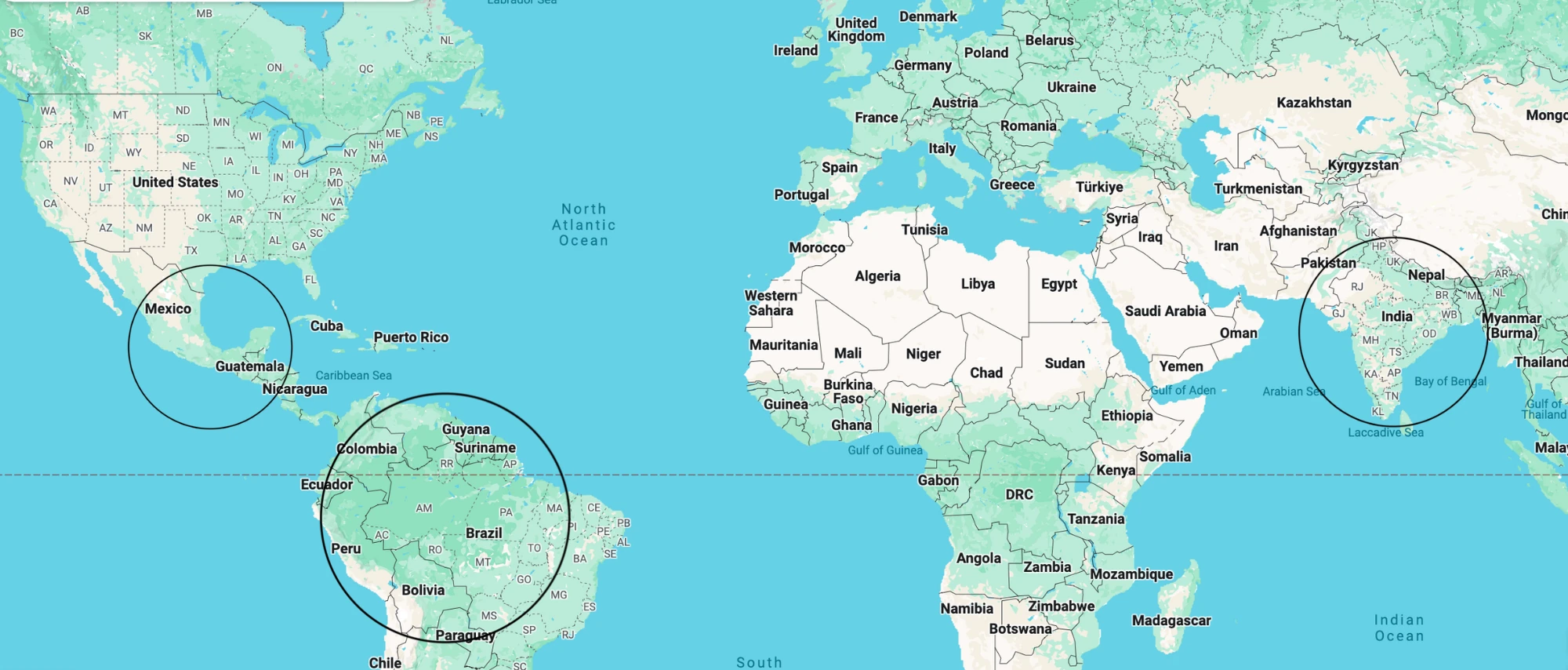
🔄 2. Re-Evaluate Your Supply Chain & Consider Nearshoring
Many successful brands are diversifying their production sources to reduce dependency on one country or region.
Strategic Options:
-
Nearshoring: Consider Mexico, Central America, or Eastern Europe.
-
Dual Sourcing: Maintain two suppliers, one in Asia(India, Bangladesh, etc) and another closer to the U.S.
-
Made in USA: In certain categories, moving production stateside can increase customer loyalty (and reduce shipping costs).
📊 Example: A DTC apparel brand reduced shipping costs by 40% after shifting production from China to Mexico.
💡 3. Improve Operational Efficiency to Offset Cost Increases
You may not be able to control tariffs—but you can control your internal efficiency.
Focus Areas:
-
Reduce return rates through better product descriptions and sizing tools.
-
Negotiate shipping rates and consider consolidating shipments.
-
Optimize packaging to reduce DIM weight (dimensional weight) fees.
-
Use AI tools to better forecast demand and reduce overproduction.
💸 4. Smart Pricing: Pass on Costs Without Losing Customers
While raising prices might seem risky, done right, it can protect your margins.
Tactics That Work:
-
Introduce value-based pricing (focus on product benefits, not just cost).
-
Offer bundles or subscriptions to improve AOV (Average Order Value).
-
Use limited edition drops to justify premium pricing.
✍️ Copy Tip: Be transparent with your community, customers are more understanding than you think when you’re honest about rising costs.
📣 5. Communicate Strategically With Your Customers
Your customers don’t need to know every detail—but the right messaging can create empathy and loyalty.
Sample Messaging Framework:
-
“We’re committed to quality and sustainability, and rising tariffs are pushing us to adapt.”
-
“Here’s what we’re doing to maintain value without compromising what you love.”
-
“Thank you for supporting small brands during challenging times.”
💬 Brands that are transparent tend to build stronger long-term relationships.
🌍 6. Think Long-Term: Build a Resilient, Global-Ready Brand
The current tariffs may be just one of many waves of trade-related challenges. Use this moment to future-proof your business.
Long-Term Moves:
-
Invest in supply chain visibility tools
-
Build local supplier relationships
-
Plan for cross-border eCommerce opportunities in Europe, Canada, or Australia
📈 Bonus Insight: Cross-border DTC is projected to grow 25% YoY through 2030.

✅ Conclusion: Adapt, Don’t Panic
New tariffs are tough—but DTC brands that adapt quickly, diversify smartly, and communicate clearly will come out ahead. Take this opportunity to rethink your operations, tighten up processes, and deepen customer trust.
